
Why Palm Beach Gardens Patients Plan Laser and RF Microneedling Treatments for Winter
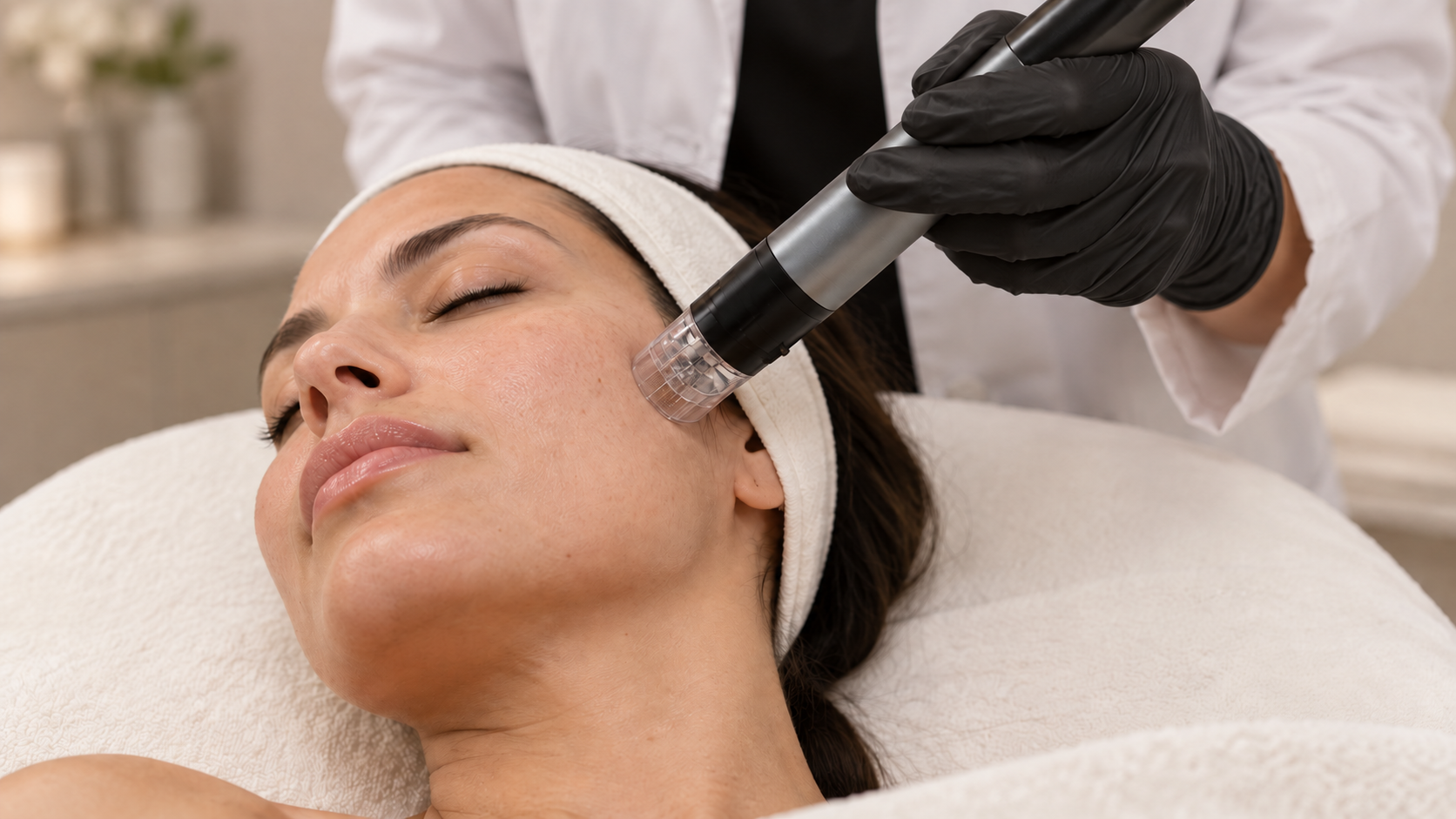
In Palm Beach Gardens, the calendar shapes skin treatment almost as much as the mirror does. From late fall through early spring the area fills with seasonal residents, the humidity eases, and long afternoons on the water or the golf course give way to a slightly gentler sun. Those months have become a preferred window for treatments that call for careful sun protection afterward, including laser resurfacing and radiofrequency (RF) microneedling.
The reasoning is practical rather than magical. Winter in South Florida does not remove the need for sunscreen, and no season guarantees a particular result. But planning a treatment series for the cooler, drier months can make recovery easier to manage and lowers the chance that a sunburn or a long day outdoors interferes with healing skin.
Why Sun Exposure Matters Before and After Laser Treatments
Laser resurfacing and RF microneedling both work by creating controlled injury in the skin, then letting the body’s repair process build new collagen and smoother tissue. In the days and weeks afterward, treated skin is more sensitive and more likely to react to ultraviolet light. Providers commonly ask patients to avoid direct sun, apply a broad-spectrum sunscreen every day, and rely on hats and shade while the skin settles.
One of the main concerns is post-inflammatory hyperpigmentation, a darkening that can appear when inflamed skin is exposed to sun or heat. It is more common in medium and deeper skin tones, and it can take months to fade once it appears. Choosing a season when it is easier to stay out of strong sun does not eliminate that risk, but it removes one of the most common triggers and makes aftercare instructions easier to follow.
The winter logic extends beyond resurfacing. Light-based treatments that target pigment, such as intense pulsed light photofacials for sun spots and many laser hair removal systems, rely on melanin to absorb their energy. When the skin carries a fresh tan, there is more melanin competing for that energy, which raises the risk of burns or uneven pigment and often leads a provider to lower the settings or postpone the session. Arriving with skin that has had several weeks away from heavy sun gives the provider more room to treat effectively.
That is one reason many South Florida patients treat winter as the time to address the brown spots, redness and rough texture left behind by summer. It is also a good moment to look at daily habits. A treatment plan works best alongside consistent sunscreen use, protective clothing for golf, tennis and time on the water, and a skincare routine the provider has reviewed, so that the improvement gained over the winter is not undone by the following summer.
What Changes in Palm Beach Gardens From November to April
Palm Beach County’s winter is famously mild, and that is exactly the point. Days are shorter, the sun sits lower in the sky, and UV levels are generally lower than at the height of summer, although in South Florida they stay high enough that sunscreen remains a year-round habit. The dry season also brings lower humidity, which means less sweating. Many patients find that makes the first days after a procedure more comfortable, since heat and heavy perspiration can irritate freshly treated skin.
Social and travel calendars matter too. Summer in Palm Beach Gardens often revolves around boating, beach days and outdoor sports in full sun, and many year-round residents travel during those months. Winter brings holiday gatherings, the seasonal crowd and plenty of indoor occasions, which can make it simpler to schedule a few quiet days after a session. Seasonal residents also tend to stay for several consecutive months, enough time to complete a series and attend follow-up visits without flying back.
Fitting a Laser or RF Microneedling Series Into the Season
Neither laser resurfacing nor RF microneedling is usually a single-visit treatment. RF microneedling is commonly done as a series of sessions spaced several weeks apart, and collagen remodeling continues for months after the last one. Fractional laser plans vary with the device, the depth and the concern being treated. The provider sets the number and spacing of sessions at consultation, but the principle is the same: results build gradually, so a plan works best when it starts early enough in the season to finish before the summer sun returns.
For many patients that means a consultation in October or November, a first session before the holidays, and later sessions in January and February. Anyone with a wedding, a gala or family photographs on the calendar should work backward from that date, leaving room for redness or swelling to settle and for collagen changes to start showing. Booking a first session the week before a major event is rarely a good idea, however mild the expected recovery.
Resurfacing Lasers and RF Microneedling: How They Differ
The two approaches overlap but are not interchangeable. Fractional laser resurfacing, including CO2 and erbium lasers, uses light energy to treat a grid of tiny columns in the skin, addressing texture, fine lines, sun damage and some types of scarring. Ablative settings remove microscopic amounts of tissue and generally involve more downtime, while gentler and non-ablative settings ask less of recovery and usually need more sessions to reach a similar change.
RF microneedling devices such as Morpheus8 deliver radiofrequency energy through fine needles below the surface, heating the deeper layers of the skin while leaving most of the surface intact. They are often used for mild to moderate laxity along the jawline and neck, acne scarring, enlarged pores and crepey texture. Because the energy is not light-based, RF microneedling is often considered for a broader range of skin tones than many resurfacing lasers, though pigment changes can still occur and settings are adjusted to each patient. People exploring Morpheus8 in Palm Beach Gardens usually find the most useful first step is a consultation that sorts out whether laxity, texture or pigment is the main concern, because that decides which tool, or which combination, makes sense.
Preparing for a Winter Skin Treatment Plan
Preparation starts with an honest health history. Patients should mention any history of cold sores, since resurfacing around the mouth can trigger an outbreak and a provider may recommend preventive medication. Recent use of isotretinoin, topical retinoids, photosensitizing medications or blood thinners, a tendency to scar or form keloids, active skin infections and pregnancy are all things a provider needs to know, because they can change the plan or mean treatment should wait. A fresh tan or a recent sunburn is another common reason to postpone.
Aftercare is where the winter advantage pays off. Gentle cleansing, a simple moisturizer, daily broad-spectrum sunscreen and a wide-brimmed hat are standard. Patients are usually asked to skip intense workouts, saunas and active skincare ingredients for a few days, and to hold off on makeup until the provider says the skin is ready. Following those instructions closely matters more than the date on the calendar, and a season with gentler sun simply makes them easier to keep.
Setting Realistic Expectations for Laser and RF Results
Results vary from person to person. Age, skin type, the depth of lines or scars, sun history, smoking and how consistently aftercare is followed all affect the outcome, and no clinic can promise a specific result. Some patients notice smoother texture within a few weeks, while tightening tends to develop more slowly as collagen remodels. More advanced laxity may respond better to other options, such as focused ultrasound or, in some cases, surgery, and a responsible provider will say so.
The season gives patients a practical advantage, nothing more mysterious than that. Starting a laser or RF microneedling plan in the cooler months, keeping up with sun protection and allowing enough time between sessions improves the odds of a smooth recovery. Whether a particular treatment is suitable is decided at an in-person consultation, where the provider examines the skin, reviews the medical history and explains the realistic range of results.