
7 Signs Your Child May Be Needing a Paediatric Dentist
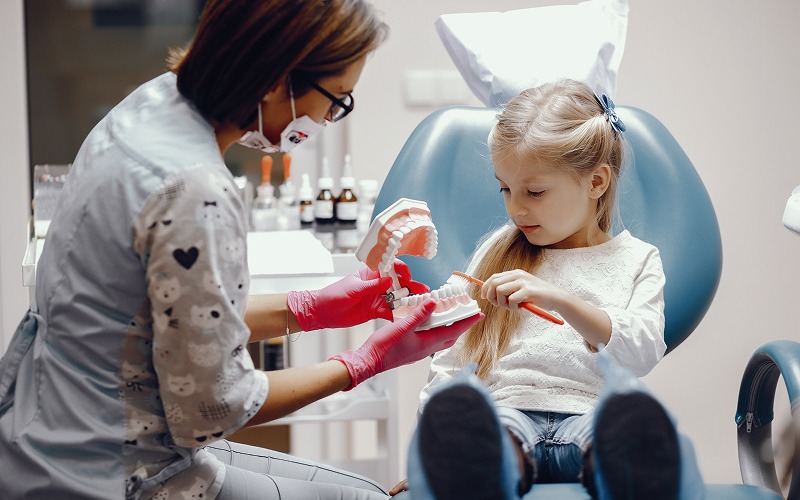
Children’s teeth and oral habits change as they grow, so parents may encounter questions that are not always easy to assess at home. A child might complain about discomfort, resist brushing or become anxious about dental visits. Other concerns, such as visible changes to a tooth or bleeding gums, may be easier to notice but still leave parents unsure about what to do next.
A paediatric dentist in Singapore can assess a child’s oral health, explain age-appropriate care and identify concerns that need attention. Children’s dental care includes preventive advice as well as assessment and treatment when problems arise. Knowing which signs to watch for can help parents arrange an appointment at the right time without waiting for a minor concern to become more serious.
1. Your Child Repeatedly Complains of Tooth Pain
A child who repeatedly reports tooth pain should have the problem assessed, especially if discomfort affects eating, sleeping or normal activities. Pain may be associated with tooth decay, sensitivity, injury or another dental issue. The cause cannot be confirmed from symptoms alone.
Ask your child when the discomfort occurs. Notice whether it happens while eating, when drinking something hot or cold, or without an obvious trigger. This information can help the dentist understand the pattern, but it should not replace an examination.
Do not dismiss repeated complaints simply because the child cannot describe the sensation clearly. Younger children may point to the general area rather than identify the affected tooth. Arrange a dental appointment and seek more urgent advice if pain is severe, persistent or accompanied by swelling or fever.
2. You Notice Spots, Discolouration or Visible Tooth Damage
Changes in tooth appearance can have different causes. White, brown or dark areas may warrant assessment, particularly when they appear alongside sensitivity, a visible hole or a change in the tooth’s shape. A chipped or cracked tooth should also be checked, even if the child initially reports little discomfort.
Avoid trying to scrape away a spot or using whitening products intended for adults. These approaches may not address the underlying problem and can be unsuitable for children. Take note of when you first noticed the change and whether it appears to be getting worse.
If a tooth breaks following an accident, contact a dentist promptly for advice. Significant pain, facial injury or uncontrolled bleeding may require urgent care. Keep any broken tooth fragment if it can be collected safely, and follow the dentist’s instructions about what to do next.
3. Your Child Has Bleeding, Swollen or Sore Gums
Gums that bleed during brushing, appear swollen or remain sore deserve attention. Plaque accumulation can contribute to gum inflammation, but other causes may also need consideration. If the problem persists despite gentle, consistent oral hygiene, arrange a dental assessment.
Check whether your child’s toothbrush is appropriate for their age and whether they are brushing gently along the gumline. Parents may need to supervise brushing and help children clean areas they tend to miss. Do not respond to bleeding by stopping brushing altogether unless a dentist advises otherwise, as inadequate cleaning can allow plaque to accumulate further.
Seek children’s dental care from a clinic if gum symptoms worsen, a lump appears or the child develops facial swelling, fever or difficulty eating. These signs may indicate a problem that needs more urgent assessment.
4. Brushing and Flossing Have Become Difficult
Some resistance to brushing is common in young children, but persistent difficulty can leave teeth inadequately cleaned. A child may dislike the taste of toothpaste, find the toothbrush uncomfortable or struggle to reach certain areas. Discomfort may also make brushing unpleasant.
Try establishing a predictable routine and using a soft-bristled toothbrush suited to the child’s age. A caregiver should supervise or assist brushing until the child has the coordination and understanding to clean effectively. Follow age-appropriate advice about toothpaste and the amount to use.
If brushing causes pain, bleeding or unusual sensitivity, do not assume the child is simply being uncooperative. Arrange an assessment to determine whether a dental concern is contributing to the resistance. A dentist can also demonstrate suitable brushing techniques and help you adapt the routine to your child’s needs.
5. Your Child Feels Anxious About Dental Visits
Dental anxiety can lead children to avoid appointments or become distressed during treatment. Previous discomfort, unfamiliar sounds, fear of separation or uncertainty about what will happen may contribute. Avoid scolding a child for feeling frightened, as this can make the experience more difficult.
Before the visit, explain the appointment in simple, reassuring language. Avoid promising that a procedure will not hurt, because the experience depends on the examination or treatment required. Instead, tell your child that the dental team will explain what is happening and help them understand each step.
When booking, mention the child’s concerns and ask how the clinic approaches young or anxious patients. A paediatric dentist may be able to adapt communication and appointment pacing to the child’s developmental stage. The aim is to build familiarity and trust while ensuring that necessary care is not postponed indefinitely.
6. You Have Questions About Developing Teeth or Bite Alignment
Children lose primary teeth and develop permanent teeth at different stages, but parents may notice crowding, gaps, teeth appearing in unusual positions or concerns about the bite. These observations do not automatically mean that treatment is required. A dental assessment can establish whether development appears appropriate and whether monitoring or further evaluation is advisable.
Tell the dentist if your child has difficulty chewing, frequently bites the cheek or has a habit that concerns you, such as prolonged thumb-sucking. The effect of a habit depends on factors including its duration and intensity, so advice should be based on the individual child rather than a general rule.
Early assessment can help parents understand what to monitor and when to return for review. It can also provide an opportunity to discuss injury prevention, oral hygiene and the care needed as permanent teeth emerge.
7. Your Child Has Not Had a Dental Assessment for Some Time
A child does not need to wait until pain develops to visit a dentist. Preventive appointments allow the dentist to review the teeth and gums, discuss brushing and diet, and identify potential concerns before they become more difficult to manage.
The appropriate frequency of visits depends on the child’s oral health, risk factors and the dentist’s recommendations. If you are unsure when to arrange the next appointment, ask the dental team to advise based on your child’s needs.
Regular visits can also help children become familiar with the dental setting. A positive, routine experience may make it easier for them to communicate concerns and accept care if a problem develops later.
Parent Observation Checklist
Before the appointment, consider the following:
- Has my child mentioned tooth pain or sensitivity more than once?
- Have I noticed spots, discolouration, chips or other changes to the teeth?
- Do the gums bleed, look swollen or remain sore?
- Does my child struggle with brushing or complain that it hurts?
- Is fear of dental visits preventing necessary care?
- Have I noticed concerns about emerging teeth, chewing or bite alignment?
- Is my child due for a preventive assessment?
Record when symptoms began and whether they are changing. If the child has severe pain, facial swelling, fever or a significant dental injury, do not wait for a routine appointment.
Changes in a child’s teeth, gums, brushing habits or comfort around dental visits can all be reasons to seek professional advice. Parents do not need to diagnose the problem themselves. Observing the symptoms and arranging an appropriate assessment at a paediatric dentist in Singapore can help the child receive suitable care and develop healthy habits.
Contact Happy Teeth Family Dental to discuss your child’s dental concerns and arrange an assessment suited to their age and needs.