
Recover Faster After Surgery: Why Post-Op Physio Speeds Healing
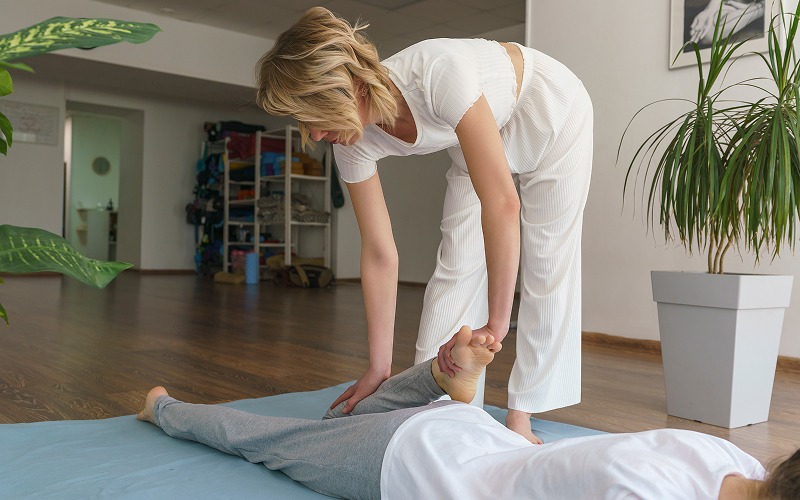
Life After the Operating Theatre
Getting through surgery is one milestone, but the weeks that follow often shape how well you get back to normal life. Stiff joints, weak muscles and a bit of nervousness about moving are all common once you’re home. Around this time, many people start looking into post-operative physiotherapy to help them get back on their feet with more confidence.
Following a guided plan of post-operative physiotherapy gives structure to those early days, so you’re not left guessing which movements are safe. Below, we’ll cover what it involves and how sessions change over time.
Why Moving Early Matters
After an operation, it’s tempting to stay still and let your body rest. Some rest is needed, of course, but long stretches of inactivity can lead to stiffness, muscle loss and slower circulation. Your surgical team will usually encourage some gentle movement soon after the procedure for these reasons.
A therapist can help you strike the right balance. With post-operative physiotherapy, they look at your surgery type, your surgeon’s guidelines, and how you’re feeling on the day, then set movements that suit your current stage. The aim isn’t to push through pain. Instead, it’s about building up gradually so your body adjusts without being overloaded.
Inside a Typical Session
Every plan is different, but most sessions draw from a similar set of building blocks:
- Range-of-motion exercises: Gentle bending and straightening movements help keep the affected joint from tightening up as tissues heal.
- Strength work: Simple body-weight or resistance band exercises help rebuild muscles that weakened during recovery.
- Walking and balance practice: Your therapist may guide you through getting out of bed, using stairs or walking with an aid.
- Swelling and comfort care: Advice on positioning, rest, and pacing helps you manage discomfort between sessions.
The mix you get from post-operative physiotherapy shifts over time, depending on how your body responds.
How Sessions Shift Over Time
Recovery tends to happen in stages, and session focus moves along with it. Timelines vary by surgery and person, so treat this as a general picture. Your therapist will adjust your post-operative physiotherapy plan when you’re ready.
| Stage | Common Focus | What You Might Notice |
| Early days | Gentle movement, breathing exercises and safe ways to sit, stand and walk | Movement feels slow and careful, with plenty of rest in between |
| Middle weeks | Building strength, improving range of motion and relying less on walking aids | Tasks like dressing or climbing stairs start to feel more manageable |
| Later stage | Balance, endurance and returning to work, hobbies or exercise | Sessions become more active and shaped around your personal goals |
Why Recovering at Home Can Help
Travelling to a clinic soon after surgery isn’t always easy, especially if you can’t drive or need help getting in and out of a car. Having sessions at home removes that step. It also lets your therapist see the spaces you use every day, such as your stairs, bathroom and bedroom, so the exercises and advice fit your actual routine. Many people also find it easier to relax and focus in familiar surroundings, which helps sessions run smoothly. For family members helping with your care, having post-operative physiotherapy at home gives them a chance to learn how to support you safely.
ALSO READ: How Long Does It Take to Recover From Knee Surgery? A Complete Timeline
Quick Points to Remember
- Gentle movement after surgery helps limit stiffness and muscle loss.
- Sessions are planned around your surgery type and your surgeon’s advice.
- Exercises progress in stages, from basic mobility to strength and balance.
- Home sessions let your therapist tailor advice to your own living space.
Moving Forward, One Step at a Time
Recovery after surgery rarely follows a straight line. Some days you’ll notice steady progress, and other days might feel slower, which is normal. A clear plan and someone to check in with can make those ups and downs easier to handle and help you know when it’s okay to do a little more.
Whether you’ve had a joint replacement, a spinal procedure or another operation, the goal stays the same: getting back to the activities that matter to you, at a pace your body can manage. Small, steady steps tend to add up over the weeks.
Contact The Home Physio to arrange a session at home and talk through a recovery plan that fits your surgery, routine and goals.