
What Causes Heel Pain and How Can a Doctor Treat It for You?
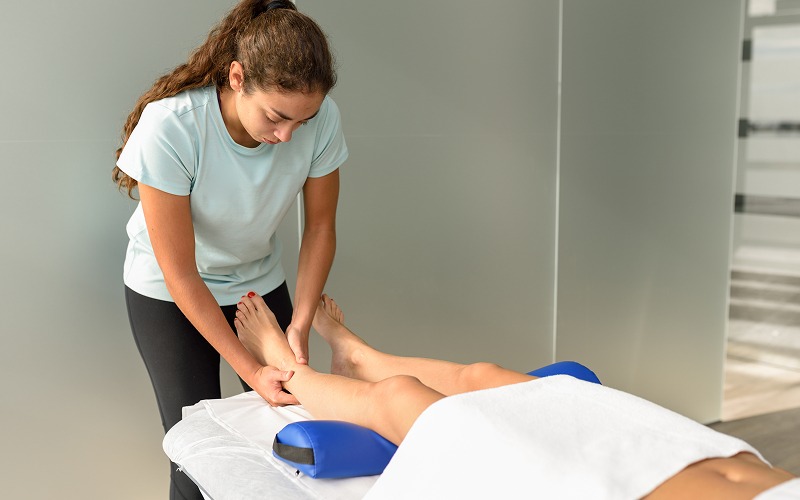
When Every Step Starts to Sting
That first step out of bed in the morning shouldn’t feel like stepping on a pebble, but for many people with heel pain, it does. It might ease as you warm up, then return after a long day on your feet. Because it tends to come and go, it’s easy to keep putting off proper heel pain treatment.
Once you know what’s behind the ache, options such as foot pain physiotherapy in Singapore can help you manage symptoms and get back to your usual routine.
Why the Cause Comes First
Heel pain isn’t a single condition. It can come from irritated tissue under the foot, a strained tendon at the back of the heel or even irritated nerves in the area, and each may respond differently to care. Pain under the heel that’s worst in the morning, for example, tends to point in a different direction from pain at the back of the heel that flares after climbing stairs.
A proper assessment usually comes first for this reason. Knowing the source helps your doctor or physiotherapist choose heel pain treatment that targets the actual problem, rather than relying on general rest and hoping it settles.
Heel Pain at a Glance
- Heel pain can come from several sources, not just one single condition.
- Morning pain under the heel often feels different from pain at the back.
- Footwear, standing time and sudden activity changes can all play a role.
- Treatment usually combines hands-on care, exercises and load management.
Common Culprits Behind Heel Pain
A few causes come up more often than others:
- Plantar fasciitis: Irritation of the band of tissue along the sole, often felt as sharp pain under the heel with the first steps of the day.
- Achilles tendinopathy: Strain on the tendon at the back of the heel, which can feel stiff in the morning and sore after running.
- Fat pad irritation: Bruising of the cushioning under the heel, sometimes linked to hard floors.
- Footwear and load changes: Worn-out shoes or a sudden jump in training can stress the heel.
More than one factor is often at play, which an assessment for foot pain physiotherapy in Singapore can help sort out.
How Heel Pain Is Usually Managed
Plans vary, but they often mix several approaches. Your heel pain treatment might include some or all of the following:
| Approach | What It Involves |
| Hands-on care | Massage and joint mobilisation around the foot and ankle to ease tightness and improve movement |
| Stretching | Targeted stretches for the calf and the sole, usually repeated at home between sessions |
| Strengthening | Gradual exercises for the foot, ankle and calf so they can handle everyday load |
| Load management | Adjusting how long you stand, walk or train while the area settles |
| Footwear advice | Guidance on supportive shoes, and sometimes taping or insoles for extra support |
Knowing When to Get It Checked
Mild heel pain sometimes eases with rest and better shoes, but it’s worth booking an appointment if the ache lasts more than a couple of weeks or keeps coming back. Get it looked at sooner if there’s swelling, numbness, tingling, or pain after a fall or impact, as these may need a doctor’s review. For ongoing discomfort without these signs, foot pain physiotherapy in Singapore is a practical place to start. A first session usually covers your routine and footwear, followed by a look at how you stand and walk, so the plan fits your day rather than the other way round.
Putting Your Best Foot Forward
Heel pain can be frustrating, especially when it gets in the way of simple things like walking to work or heading out for a run. Many common causes can be managed with a clear plan and a few routine changes.
Progress isn’t always quick. Tissues around the heel can take time to settle, and it’s normal for some days to feel better than others. Sticking with your exercises and swapping out worn shoes can help along the way. If something changes, like new swelling, mention it to your doctor or physiotherapist so your plan can be adjusted.
Contact The Movement Library to arrange an assessment for your heel and get a plan built around how you walk, work and train.