
At-Home IPL vs Professional Laser Hair Removal: Which Works Better?
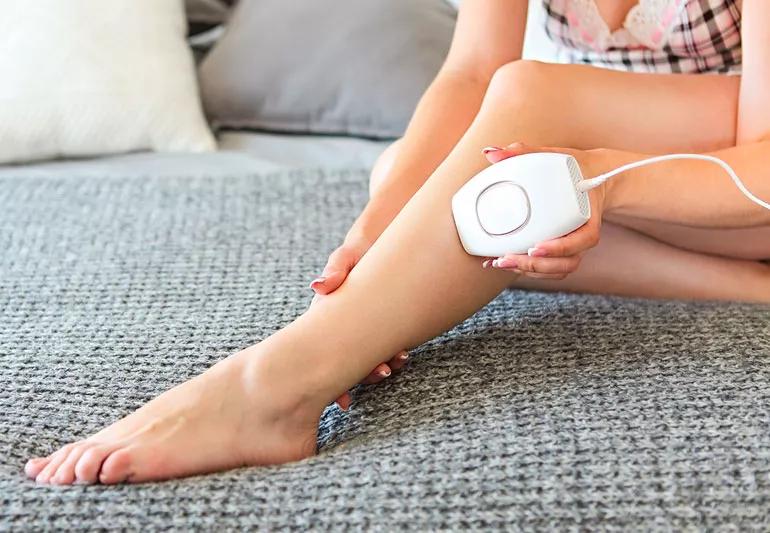
Unwanted hair can be managed with shaving or waxing, but those methods rarely feel efficient for long. Many people compare at-home IPL devices with professional clinic treatments. Both use light to reduce growth, yet they differ in power, precision, safety checks, and likely results.
For most people, professional treatment gives stronger long-term hair reduction. At-home IPL can help with mild growth and upkeep, but clinic-based care is usually more consistent for coarse hair, larger areas, and tailored plans.
Quick Comparison
| Factor | At-home IPL | Professional laser treatment |
| Light source | Broad pulsed light | Focused laser wavelength |
| Power | Lower for home use | Higher and provider-controlled |
| Best for | Small areas and maintenance | Coarse hair and larger areas |
| Results | Gradual reduction | Stronger long-term reduction |
| Main concern | User error or irregular use | Higher upfront cost |
What At-Home IPL Does
IPL stands for Intense Pulsed Light. It sends a broad range of light into the skin, where pigment in the hair absorbs it as heat. With repeated use, that heat can slow regrowth. Home devices use lower energy levels because people operate them without direct supervision.
That lower strength makes IPL convenient, but patience is needed. Results usually build over weeks. IPL may suit people who:
- Have lighter skin and darker hair
- Want to treat small areas
- Prefer a lower upfront cost
- Can follow device instructions carefully
- Want touch-ups between clinic visits
It may not work well on very light, grey, red, or white hair. Some devices are also unsuitable for deeper skin tones, where excess heat can raise the risk of burns or pigment changes.
How Professional Laser Treatment Differs
Professional laser hair removal uses concentrated light energy aimed at the hair follicle. A trained provider can adjust settings for skin tone, hair colour, hair density, sensitivity, and the treatment area. That judgement separates a clinic visit from a device used at home.
Laser treatments are scheduled as a series because hair grows in cycles. The laser works best during the active growth phase, so one appointment cannot treat every follicle at the right time.
Which Works Better?
The answer depends on the goal. For light upkeep, at-home IPL may be enough. It can soften hair, reduce regrowth, and lengthen the time between shaving. The drawback is effort. Users must keep a steady schedule and choose settings correctly.
For more noticeable and longer-lasting reduction, professional laser removal in North York usually works better. The energy is more targeted, the settings can be adjusted, and the provider can respond if the skin reacts. This matters on areas such as the underarms, bikini line, legs, chest, back, and face.
Safety and Comfort
Neither IPL nor laser treatment is risk-free. Temporary redness, warmth, swelling around follicles, or mild tenderness can happen. Less common risks include burns, blistering, scarring, and changes in skin colour. These risks rise when light-based devices are used on tanned skin, at the wrong setting, or on unsuitable hair and skin combinations.
With home IPL, the user carries most of that responsibility. With professional treatment, the clinic should explain how to prepare and what normal skin reactions look like.
Cost and Convenience
At-home IPL often costs less at first and offers privacy. For someone treating a small area, that can be appealing.
Professional treatment at a laser hair removal clinic in Toronto may cost more per session, but it may save time because sessions are planned and tracked. The fair comparison is not just price. It is price, safety, time, expected reduction, and confidence in the provider.
Final Verdict
At-home IPL has a place. It is accessible, private, and useful for mild reduction on suitable skin and hair types. Professional laser treatment tends to work better for stronger, longer-lasting results, especially when hair is coarse or the treatment area is larger.
If the goal is occasional touch-ups, IPL may be reasonable. If the goal is a structured plan, professional assessment, and more reliable reduction, clinic-based treatment is usually the better choice.
Frequently Asked Questions
1. Is IPL the same as laser treatment?
No. IPL uses broad-spectrum light, while laser devices use a focused wavelength. Both target pigment in the hair, but professional lasers can be more precise and better controlled.
2. Is at-home IPL safe?
It can be safe when used exactly as directed. The main concerns are wrong settings, recent tanning, unsuitable skin tones, and treating areas the device was not designed for. Eye protection and careful spacing between sessions also matter.
3. How many professional sessions are usually needed?
Many people need a series of sessions because hair grows in cycles. The exact number depends on the area, hair colour, hair thickness, skin tone, hormones, and how the hair responds after each visit.
4. Does laser treatment remove hair permanently?
It is better described as long-term hair reduction. Treated hair often grows back finer, lighter, and slower, though maintenance may be needed over time as hormones, age, and new follicles can affect regrowth.
5. Which option is better for sensitive skin?
A professional consultation is usually safer for sensitive skin because settings can be adjusted and reactions can be assessed before a full treatment plan begins.