
Alberta’s Open iGaming Market: What Canada’s Second Regulated Province Means for Players
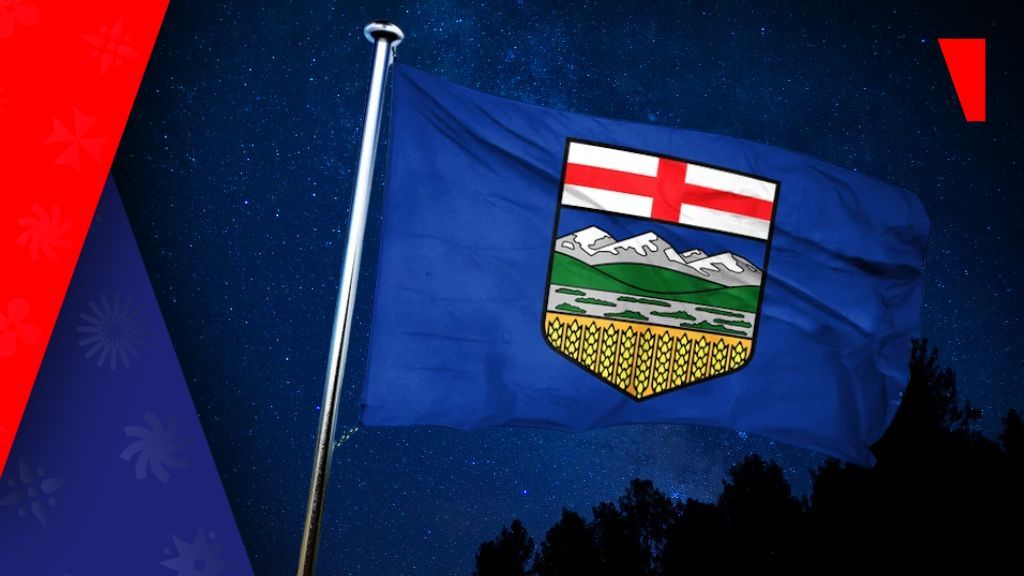
On July 13, 2026, Alberta became the second Canadian province to open a competitive, commercially licensed online gambling market, following the path Ontario set in April 2022. For years, Albertans who wanted to bet online had two choices: the government-run PlayAlberta site, or offshore operators working in a legal gray area. Now licensed private brands can compete in the open, and the province has drawn a firm line for anyone who wants to keep serving its players.
How the Alberta Model Works
Alberta copied the core of Ontario’s structure. The Alberta Gaming, Liquor and Cannabis Commission (AGLC) is the regulator that registers operators and suppliers. A separate body, the Alberta iGaming Corporation (AiGC), is the commercial partner that operators must sign agreements with before they can take bets. That split mirrors Ontario’s division between the AGCO and iGaming Ontario, which meant operators already active in Ontario could reuse much of their compliance, geolocation and responsible-gambling setup.
The result was a crowded field from the start. FanDuel, DraftKings, BetMGM, BetRivers and theScore Bet were among the brands approved to operate, alongside PlayAlberta and several Canadian-owned operators. Alberta’s regulated market opened on July 13, 2026 with dozens of registered operators, although the province projected a relatively modest $76 million in first-year proceeds, a sign it expected a slower ramp than Ontario’s headline numbers might suggest.
The Gray-Market Deadline
The biggest change for players is happening in the background. Alberta set October 13, 2026 as the deadline for gray-market operators, meaning sites that had been taking Alberta customers without a provincial license, to either join the regulated market or stop serving the province. Ontario imposed the same choice in 2022: become accountable to a local regulator, with its rules on advertising, identity checks and safer gambling, or lose access to the province’s players.
One of the most closely watched cases involves Stake, the brand best known around the world for its crypto casino. Stake’s Alberta registration through Stake Canada Ltd. put it on the AGLC’s list of registered iGaming operators, and the company announced it was targeting October 12 for a regulated launch, one day before the deadline. Registration alone does not allow wagering, though. An operator still needs a signed operating agreement with AiGC before it can accept a single bet.
What Changes for Players
For Albertans, a licensed market brings practical differences. Regulated sites must verify age and identity, offer responsible-gambling tools such as deposit limits and self-exclusion, and follow advertising standards set by the province. Complaints can be taken to a local regulator rather than to an offshore license holder that may be difficult to reach.
There are trade-offs. Regulated sites generally offer smaller bonuses than offshore competitors, because promotions are restricted and provincial fees eat into margins. Crypto deposits, common on offshore sites, are not a standard feature of Canada’s regulated sites, so players who prefer them face a choice between the convenience they are used to and the protections of a licensed operator.
Lessons From Ontario
Ontario’s experience offers a preview of what Alberta could become. Its regulated market generated roughly $4 billion in gaming revenue in 2025, returning hundreds of millions of dollars to the province. It also showed the downsides of rapid growth. A wave of advertising in the early years pushed Ontario’s regulator to bar active and retired athletes from most gambling ads in 2024, a move aimed at limiting the appeal of betting to younger audiences.
Alberta will face the same tension between growing a market and protecting players within it. How strictly the AGLC enforces its advertising and safer-gambling rules in the first year will shape whether the province is seen as a model or a cautionary tale.
The Bigger Picture
Alberta’s launch matters beyond its own borders. With two large provinces now running open markets, pressure is building on British Columbia, Quebec and the Atlantic provinces, which still rely on lottery-corporation models, to decide whether to follow. For offshore and crypto-first brands, the message from Canada is consistent: the market is open, but only on Canadian terms.