
Why Combined First Aid and CPR Training Is the Smarter Path for Canadians
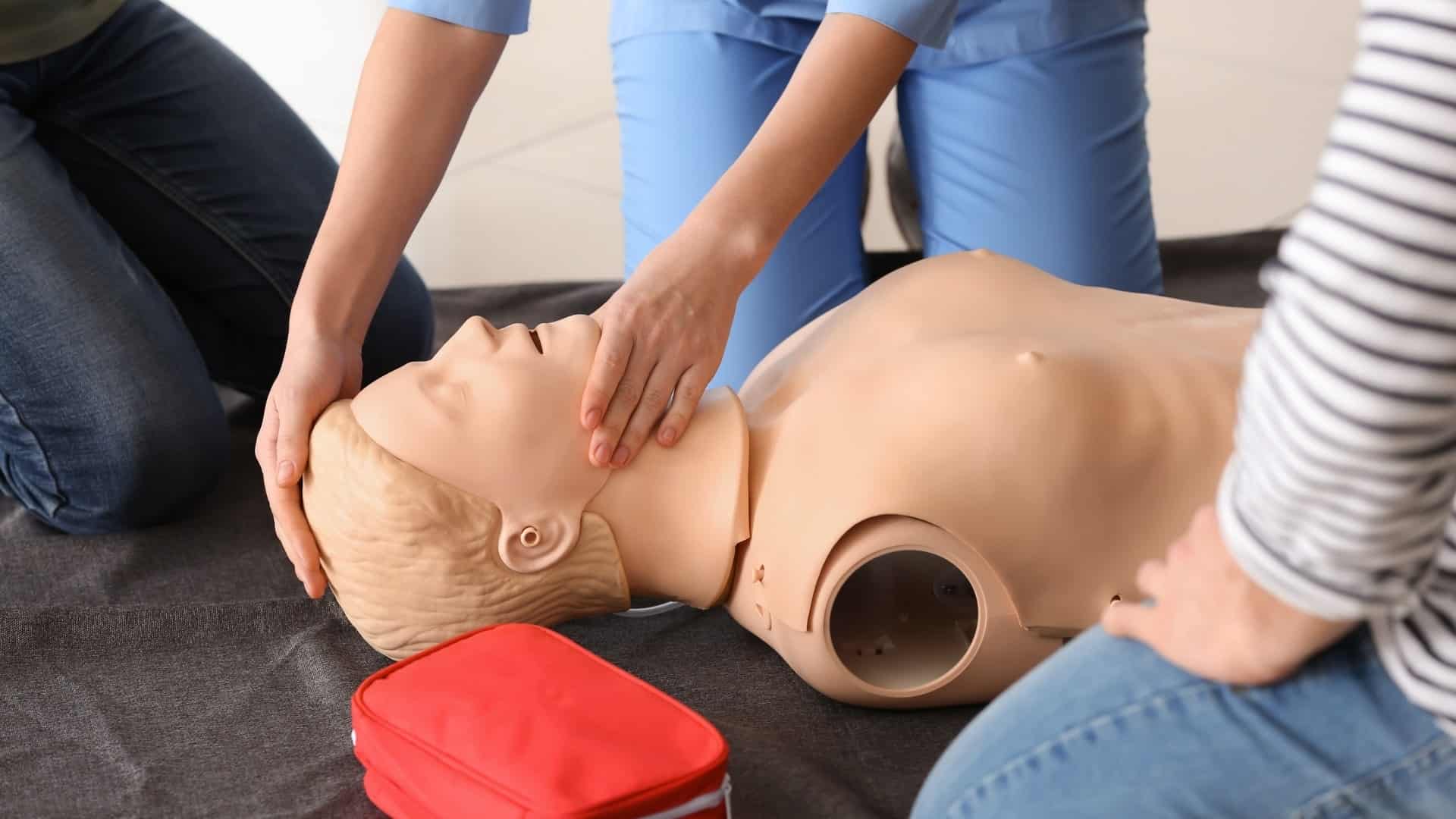
When a medical emergency unfolds, the response rarely follows a clean script. A choking child becomes unresponsive. A workplace fall produces both severe bleeding and a possible cardiac event. A jogger collapses without warning, and the bystander who reaches them first must assess, decide, and act within seconds. For Canadians evaluating their training options, choosing a first aid and cpr course online canada wide rather than two separate certifications offers a more complete preparation, better employer recognition, and a stronger foundation for the moments that genuinely matter.
The Reality of Real-World Emergencies
First aid and CPR are often discussed as distinct skill sets, but emergencies do not respect that separation. Cardiac arrest may be preceded by trauma. Severe allergic reactions can compromise airways and circulation simultaneously. Drowning incidents typically require both rescue breathing and management of secondary injuries. Training that addresses only one component leaves responders prepared for half the situation. Combined certification ensures that a responder can transition fluidly between assessing breathing, controlling bleeding, performing chest compressions, using an automated external defibrillator, and managing shock without pausing to wonder which course covered which technique.
This integrated approach matters particularly for parents, caregivers, and the general public, who are statistically the most likely first responders in domestic and community emergencies. Most cardiac arrests occur outside hospitals, and the survival rate depends heavily on what happens in the first few minutes. The same is true for severe allergic reactions, choking, and uncontrolled bleeding. A bystander who has trained on the full sequence is meaningfully more effective than one who has only studied isolated procedures.
Recognition Across Canadian Workplaces
Combined first aid and CPR certification is the standard recognized by most Canadian employers, regulatory bodies, and provincial workers’ compensation boards. Healthcare facilities require it for clinical and administrative staff. Schools and childcare centers expect it from educators and support workers. Fitness studios and personal training certifications mandate current credentials. Construction sites, manufacturing facilities, and other regulated workplaces specify combined certification in their occupational health and safety requirements. Holding a single credential that satisfies multiple requirements is more efficient than maintaining separate certificates with different expiry dates and renewal cycles.
For professionals working across multiple roles, such as a nurse who also coaches youth sports, or a teacher who runs a summer camp, combined certification simplifies compliance and reduces the administrative burden of tracking parallel credentials.
What Effective Online Combined Training Includes
A well-designed online first aid and CPR course in Canada follows current guidelines from the International Liaison Committee on Resuscitation and addresses both adult and pediatric patients. Core content typically covers scene assessment and personal safety, recognition of unresponsiveness, airway management, rescue breathing, chest compressions for adults, children, and infants, AED operation, choking response, severe bleeding control, recognition and management of shock, anaphylaxis response including epinephrine auto-injector use, stroke and heart attack recognition, and basic injury management for burns, fractures, and head trauma.
Quality programs combine instructional video with scenario-based decision exercises that require students to choose actions under simulated time pressure. This format produces stronger skill retention than passive lecture content. Look for courses that include knowledge checks throughout the modules, a comprehensive final assessment, and the ability to revisit material after certification, since skills naturally decay between renewal cycles.
Format Considerations and Compliance
Some Canadian roles permit fully online certification, while others require a blended format that pairs online theory with an in-person practical evaluation. Healthcare professionals, regulated trades, and certain childcare positions typically need the blended pathway. Office workers, retail staff, fitness professionals in some categories, parents, and the general public can often complete certification fully online. Before enrolling, confirm what your specific role, employer, or regulatory body requires. A credential that does not meet your compliance need is functionally incomplete regardless of how thorough the training was.
The Case for Periodic Renewal
Most Canadian first aid and CPR certifications remain valid for two to three years. Renewal is not bureaucratic formality. Resuscitation guidelines update on a five-year cycle, and individual skills, particularly compression depth, rate, and AED handling, deteriorate noticeably within months of training. Treating renewal as an opportunity to reinforce learning rather than a checkbox produces measurably better outcomes when emergencies occur.
Emergency response training is one of the few practical skills with the potential to determine whether someone lives or dies, and the value of that preparation grows quietly in the background until the day it is needed. For healthcare workers, educators, fitness professionals, parents, and Canadians who want to face the unexpected with confidence rather than hesitation, Simple CPR provides accredited online certification programs that combine first aid and CPR training in a format designed to meet Canadian standards and build skills that genuinely hold up when the moment arrives.